
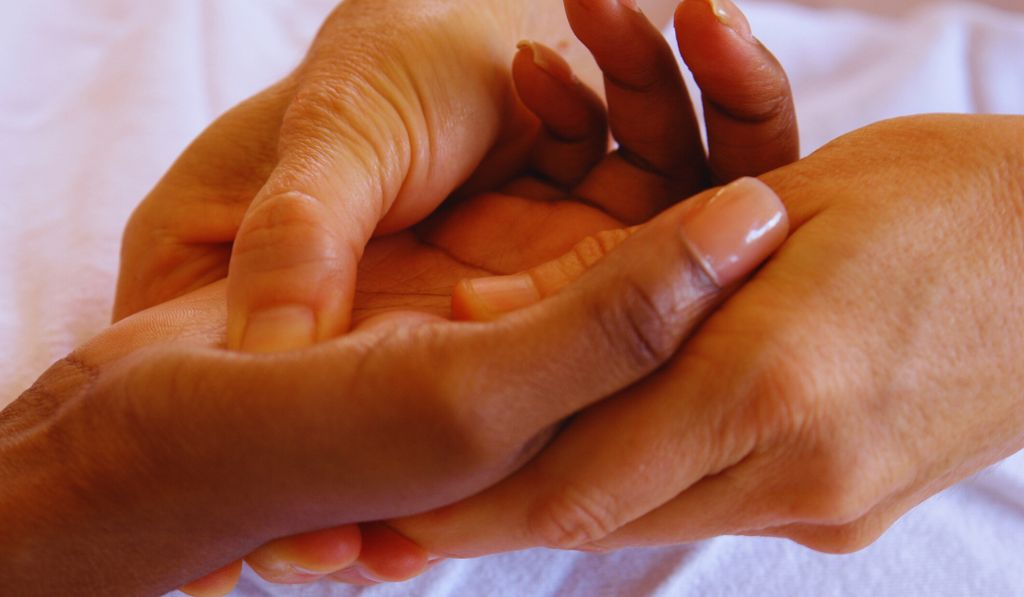
Wonder at escaping stress, pain, and anxiety merely by touch? Reflexology offers precisely that—it is a non-invasive, natural treatment that recognizes the power of pressure points in restoring balance in your body.
What Is Reflexology?
Reflexology refers to the use of specialized pressure on the feet, hands, or ears. In contrast to conventional massage that works on large muscles, reflexology concentrates on sensitive reflex points, which are believed to relate to various organs, glands, and body systems via energy pathways.
It is an ancient tradition that traces its roots to more than 5,000 years ago, as both Egyptian tomb paintings (2330 BCE) and Traditional Chinese Medicine writings testify.
Modern reflexology began in the early twentieth century when Dr. William Fitzgerald developed zone therapy, which involved segmenting the body into ten vertical zones. This was further refined by physiotherapist Eunice Ingham into the detailed foot maps used by reflexologists today.
The Science Behind Reflexology: How Touch Works
Reflexology works on a few interrelated theories. The principle of zone therapy suggests that the body consists of ten vertical pathways that run from the head to toes. These different zones are accessible on the feet, hands, and ears respectively.
In the 1890s, research carried out by Sir Henry Head and Sir Charles Sherrington determined that neurological connections between skin and internal organs do exist. Application of pressure on reflex points transmits soothing signals via the peripheral nerves to the central nervous system, which in turn regulates tension levels in the body.
In a recent fMRI experiment at the University of Minnesota, brain areas unrelated to the foot were activated when reflexology was applied, proving that reflexology can have whole-body effects. The treatment may also work by the gate control theory of pain, whereby reflexology decreases pain perception by reducing stress levels and enhancing mood, factors that determine how the brain interprets pain signals.
Evidence-Based Benefits of Reflexology
A review of 168 studies worldwide has found numerous benefits of reflexology:
Stress and Anxiety Reduction
Reflexology reduces cortisol levels in your body, the main stress hormone, by a significant amount. Research indicates that it shifts the nervous system to a parasympathetic state and promotes deep relaxation and emotional equilibrium.
According to reports from participants, they feel less stressed, more balanced, and better prepared to handle everyday pressures.
Pain Management
Twenty-seven studies presented positive results in pain relief across issues including headaches, peripheral neuropathy, kidney stones, and osteoarthritis. The treatment addresses pain by targeting reflex points that relate to affected body parts, administered without the use of drugs.
Improved Circulation
Reflexology stimulation of pressure points increases blood circulation, helping oxygen and nutrients reach cells effectively while waste is eliminated more efficiently. This increase in circulation promotes overall health and optimal organ functioning.
Better Sleep Quality
Reflexology balances sleep cycles by regulating hormones such as melatonin and cortisol. Stimulating points connected to the brain, pituitary gland, and solar plexus facilitates deeper and more restful sleep, helping individuals with insomnia.
Enhanced Immune Function
Reflexology activates the lymphatic system, which becomes better at eliminating toxins and increasing white blood cell production. This strengthens your body’s defense mechanisms against diseases.
Digestive Support
Pressure on reflex points related to digestive organs helps control digestion processes, prevents bloating and constipation, and restores gut balance.
Read also: 10 Habits to Never Ignore in Kids at Home
Understanding the Reflexology Foot Map
A reflexology foot chart maps the whole body onto your feet, with each area corresponding to particular organs and systems:
- Toes: Brain, sinuses, head, neck
- Ball of the foot: Chest, heart, lungs
- Arch: Digestive organs including intestines, pancreas, liver, and kidneys
- Heel: Pelvis and reproductive organs
- Side of feet: Spine, shoulders, hips
The left foot reflects the left side of your body and the right foot reflects the right side. Some organs are found only on the left foot chart, such as the heart.
Key Reflexology Techniques
Professional reflexologists use a number of specialized techniques:
- Thumb Walking: This is a main technique where the thumb pushes uniformly along reflex lines to enhance circulation and open up energy channels.
- Finger Pressure Points: Pressure on specific points, especially on the hands, provides quick stress relief and is accessible anywhere.
- Heel Hold Technique: Deep pressure on the heel facilitates grounding, relieves pressure on the lower back and hips, and helps with anxiety and fatigue.
What to Expect During a Reflexology Session
An average reflexology session takes 45-60 minutes. Your practitioner will start with a review of your medical history, lifestyle, and current health concerns. You will remain fully dressed, only removing shoes and socks.
Sessions are done on a massage table or reclining chair in a relaxing atmosphere with low lighting and usually calming music. The reflexologist uses thumbs and fingers to apply pressure, sometimes with the help of tools such as rubber balls or wooden sticks.
The majority report that the feeling is deeply relaxing, though you may experience some brief discomfort when congested areas are addressed.
During treatment, many clients experience energy flowing through their bodies. You could feel warmth, tingling, or deep tranquility as tension is released. You may talk with your practitioner or simply relax—some people even fall asleep during the session.
Read also: Blood Pressure-Friendly Teas You Need in Your Daily Routine
Conclusion: Embrace the Healing Power of Touch
Reflexology offers a natural, non-invasive approach to wellness that has stood the test of time. Whether you’re seeking stress relief, pain management, better sleep, or overall health improvement, this ancient practice provides a gentle yet powerful path to well-being.
Consider booking a session with a certified reflexologist to experience the transformative benefits of this therapeutic touch for yourself.
Frequently Asked Questions
Does reflexology hurt?
No. Although you might experience some tenderness during reflexology on sensitive areas, the treatment should not be painful. The firm yet gentle pressure typically doesn’t lead to tickling, even on sensitive feet.
How many sessions do I need?
This varies by individual. Some people enjoy occasional relaxation sessions, while others receive weekly treatments for specific conditions. Your reflexologist will suggest a program according to your goals.
Is it possible to do reflexology on myself?
Absolutely! Stress relief can be found through simple methods such as wrapping one hand around each finger of the other hand for 1-2 minutes per finger. There are special socks with reflex point maps that help with self-treatment.
What is the difference between massage and reflexology?
Massage works with soft tissues and muscles using methods such as kneading and stroking. Reflexology involves applying specific pressure on particular reflex points that are believed to influence specific body parts through energy channels.